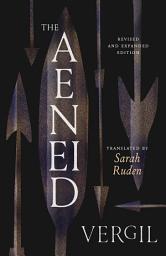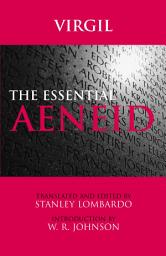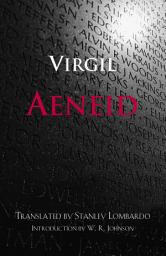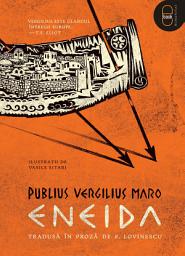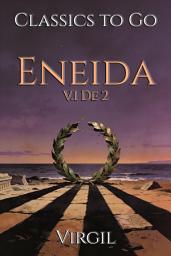
Virgil
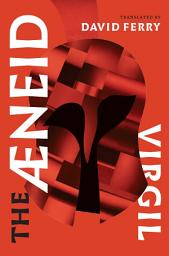
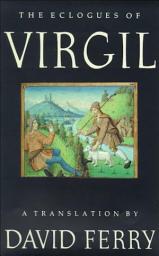
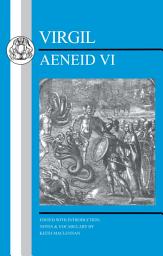
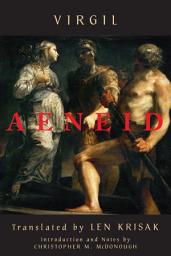
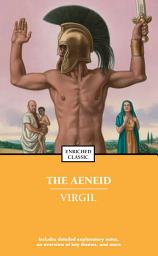
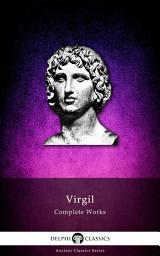
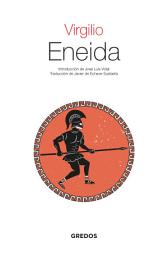
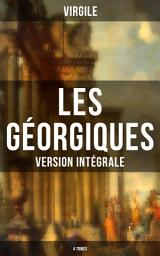
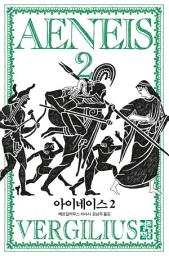
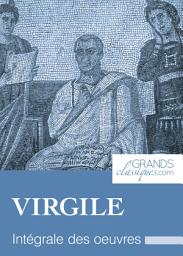
Publius Vergilius Maro, known as Virgil, was born in 70 BCE near Mantua and is regarded as one of the greatest poets of ancient Rome. His early life in the countryside deeply influenced his later works, including « The Georgics », which reflects his profound connection to rural life and agriculture. Virgil studied rhetoric and philosophy in Milan and Naples, where he was exposed to the ideas of Epicureanism and Stoicism. Virgil's literary output includes three major works: « The Eclogues », a collection of pastoral poems; « The Georgics », a didactic poem on agriculture; and « The Aeneid », an epic that celebrates the founding of Rome. His poetry is distinguished by its technical mastery, emotional depth, and philosophical insight, making him a central figure in classical poetry and Roman literature. Throughout his career, Virgil enjoyed the patronage of powerful figures such as Maecenas and Emperor Augustus. His works were widely read and admired in his lifetime and have continued to influence Western literature for over two millennia. Virgil's legacy endures as a defining voice of ancient Rome, whose explorations of rural life, agriculture, and the human spirit remain relevant to readers today.
Ebooks