About this ebook
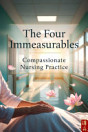
This book was born from a simple but urgent need: to provide nurses with a clear, concise, and practical guide to neurological examination.
After reading this book, I am confident you will grasp the core concepts of nervous system assessment and acquire essential examination skills. You will be able to evaluate a patient’s level of consciousness using the Glasgow Coma Scale (GCS) and competently assess the cranial nerves—skills that are critical in both acute and routine care settings.
I worked in the hospital for forty years, during which I spent seven years in the neurosurgical field. In writing this book, I have drawn on both academic sources and lived clinical experience. A well‑performed neurological exam can change the course of a patient’s care—and subtle signs are easily missed without a systematic approach. My hope is that this book will serve not only as a reference, but as a companion in your professional growth.
To the nurses who read this: thank you for your dedication. May this book help you see more clearly, think more deeply, and care more wisely.
Discover more
Ratings and reviews
About the author
Wei Lin is a contemplative man and lifelong seeker. Now in his seventies, he has long since passed the age of recklessness. Formerly employed in the service industry, he understands the mundane realities of life yet recognizes the pure light within the heart. His hospital experience shaped his understanding of suffering, vigilance, and the quiet heroism of nurses.
In the 1980s, he briefly took monastic vows, observing the Eight Precepts and studying under Masters Baodeng, Jinshan, and Zhifan. His character remains unconventional — a free-spirited wanderer who dwells with his wife and daughter, walks with dogs, and finds companionship in half the Analects, guidance in Buddhist verses, and a mirror for the heart in chapters of military strategy.
Though his life is stable and his family harmonious, he delights in the company of ancient sages, finding solace in classical texts and inspiration without barriers. His thoughts know no fixed rules, and his writing reflects a mind that navigates its remaining years without growing old.
This booklet is one of many distillations — not just of clinical knowledge, but of a life spent listening, watching, and walking slowly through the world.