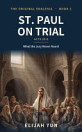
The Holy Temple: The Place They Never Left
About this ebook
Years after the resurrection, Paul walked into the temple in Jerusalem and paid for the offerings (Acts 21:24–26). Why would he do that if the cross had ended it all?
Many believers were taught that the temple was finished, that the Torah passed away, and that the feasts belong to the Jews. This book does not argue from tradition. It opens the Bible and reads it in order, from Solomon’s prayer at the dedication of the temple to the New Jerusalem, and watches what the first believers actually did.
• What Solomon meant when he prayed that even the heavens cannot contain God (1 Kings 8:27)
• Why the apostles kept going up to the temple, day by day, after Yeshua rose
• The four rules of Acts 15, and where each one comes from in Leviticus
• A single night in Troas, and what Acts 20:7 says in the Greek
• Colossians 2:16: who was judging whom, and what a shadow points to
• Leviticus 23 and Numbers 28–29: every appointed time and every offering
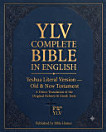
Every Scripture passage is quoted in full from the Yeshua Literal Version (YLV), with the key Hebrew and Greek words explained in plain English. Its New Testament uses the Byzantine Majority Text (Robinson–Pierpont 2018) as its reference text.
The Original Ekklesia follows what the first assembly of Yeshua believed and lived, from the text of the Bible itself.
Discover more
About the author
Elijah Yun is the translator of the Yeshua Literal Version (YLV), a literal English and Korean translation of the Bible from the Hebrew and Byzantine Greek texts. Its New Testament is one of the few English literal translations made directly from the Robinson-Pierpont Byzantine Greek text, the text of the great majority of the manuscripts. He shares the YLV freely through the YLV Bible app, bible.mba, and ylvbible.org.