About this ebook
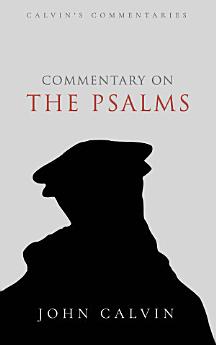
First published in Geneva in 1557, this celebrated work reveals a warmer, deeply pastoral side of the French reformer often overshadowed by his systematic theology. Calvin famously designated the Psalms “an anatomy of all the parts of the soul,” recognizing that every human emotion—from despair, doubt, and grief to jubilation and unshakeable trust—finds mirror and voice within its sacred verses.
Throughout this extensive commentary, Calvin pairs rigorous Renaissance humanistic scholarship with profound spiritual vulnerability. In his celebrated autobiographical preface, he draws direct parallels between his own turbulent life of exile and David’s trials, allowing his textual analysis to resonate with lived experience. His lucid, verse-by-verse exegesis avoids allegorical excess, grounding each psalm firmly in its historical context while illuminating its enduring doctrinal clarity.
Beyond its academic precision, the work serves as a practical manual for Christian devotion, prayer, and worship. Calvin shows how David and the other psalmists instruct believers to bring their deepest anxieties honestly before God, offering timeless comfort to those navigating persecution, sorrow, and spiritual warfare.
Indispensable for scholars, pastors, and serious students of the Bible, Calvin’s commentary remains an essential bridge between classical Reformed scholarship and personal piety. Engage with a masterwork of biblical exposition that continues to nurture both mind and spirit centuries after its ink first dried.
Discover more
Ratings and reviews
About the author
John Calvin (1509-1564) was a prominent French theologian, pastor, and reformer during the Protestant Reformation. He is best known for his influential work in systematic theology, particularly his emphasis on the sovereignty of God and the doctrine of predestination. Calvin's writings, including his magnum opus, Institutes of the Christian Religion, have had a lasting impact on Reformed theology and continue to shape Christian thought to this day.