About this ebook
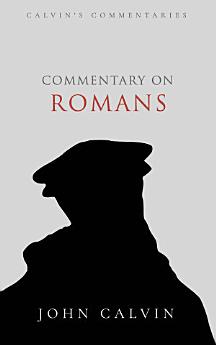
First published in 1540 during his stay in Strasbourg, this celebrated work represents Calvin’s very first biblical commentary. Dedicating himself to opening the Scriptures with clarity and brevity, the French Reformer set out to rescue Paul’s complex theology from centuries of medieval scholastic glosses, establishing a standard for grammatical-historical exegesis that would reshape Western Christianity.
Throughout the epistle, Calvin rigorously unpacks the foundational doctrines of the faith: original sin, the righteousness of God, and justification by faith alone. With meticulous attention to the original Greek text, he guides the reader through Paul’s dense arguments, illuminating the relationship between law and grace, the nature of divine election, and the call to personal sanctification.
Calvin’s distinctive approach balances rigorous intellectual analysis with profound pastoral concern. Rather than indulging in speculative controversies, he relentlessly centers the narrative on the unmerited mercy of God, offering an enduring framework for understanding human redemption and the supreme authority of scripture.
Calvin’s Commentary on Romans remains essential reading for theologians, pastors, and serious students of Church history. Lucid, penetrating, and devotionally rich, this monumental commentary provides timeless insight into the apostolic message that sparked a spiritual revolution.
Discover more
About the author
John Calvin (1509-1564) was a prominent French theologian, pastor, and reformer during the Protestant Reformation. He is best known for his influential work in systematic theology, particularly his emphasis on the sovereignty of God and the doctrine of predestination. Calvin's writings, including his magnum opus, Institutes of the Christian Religion, have had a lasting impact on Reformed theology and continue to shape Christian thought to this day.