About this ebook
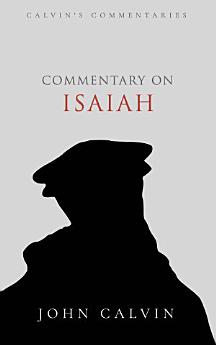
Delivered originally as lectures in Geneva during the mid-sixteenth century, this masterwork represents one of the Reformer’s most extensive Old Testament expositions. Calvin approaches the text not as an abstract theological treatise, but as a living dialogue between God and His people, carefully examining the prophet’s warnings and promises within their original eighth-century BC context.
Throughout the commentary, Calvin demonstrates his signature commitment to lucidity and brevity, seeking the plain sense of Scripture while drawing out its redemptive core. He navigates Isaiah’s vast scope with remarkable clarity, moving from the solemn indictments of Israel’s idolatry and the shadow of exile to the sublime prophecies of restoration and the suffering Servant.
For Calvin, the prophet’s voice speaks with immediate urgency to the struggles of his own turbulent era, offering comfort to believers in the face of spiritual and political distress. His insights weave precise grammatical analysis with a deep awareness of divine providence, human frailty, and the sovereign grace revealed throughout redemptive history.
Today, this commentary remains an indispensable resource for pastors, scholars, and serious students of the Bible. Accessible yet intellectually formidable, it endures as a definitive model of expository rigor and Christian hope.
Discover more
About the author
John Calvin (1509-1564) was a prominent French theologian, pastor, and reformer during the Protestant Reformation. He is best known for his influential work in systematic theology, particularly his emphasis on the sovereignty of God and the doctrine of predestination. Calvin's writings, including his magnum opus, Institutes of the Christian Religion, have had a lasting impact on Reformed theology and continue to shape Christian thought to this day.