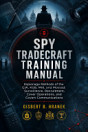
The American CIA Training Compendium: A Historical and Ethical Study of Espionage, Covert Operations, Counterintelligence, Interrogation Controversies, and Insider Threat Detection
About this ebook
The American CIA Training Compendium offers a serious, balanced, and deeply researched look into the history, structure, ethics, and operational realities of American intelligence. Written for readers interested in espionage history, covert action, counterintelligence, national security, insider threat detection, interrogation controversies, cyber intelligence, and CIA doctrine, this book explains the intelligence world in clear, simple English without sensationalism or fantasy.
From the wartime origins of the Office of Strategic Services to the rise of the modern Central Intelligence Agency, this guide explores how intelligence work has evolved across World War II, the Cold War, the post-9/11 era, and the digital age. Readers will learn how intelligence organizations identify and screen candidates, train officers for sensitive assignments, develop human intelligence sources, manage covert action risks, and respond to threats from foreign intelligence services, cyber espionage, leaks, and insider betrayal.
This book does not glorify secret operations. Instead, it examines intelligence work with a careful historical and ethical lens. It explains the strengths and limits of human intelligence, the dangers of poor oversight, the lessons of major failures, and the importance of law, accountability, and disciplined judgment. Topics such as Camp Peary, CIA recruitment, case officer tradecraft, non-official cover, paramilitary operations, signal intelligence, cyber threats, interrogation history, OSINT, influence operations, and mole hunting are presented in a responsible, fact-based way.
Inside this book, readers will explore:
- CIA and OSS history
- Recruitment and candidate screening
- Clandestine training and operational readiness
- Human intelligence and source handling concepts
- Covert action oversight and legal boundaries
- Counterintelligence and insider threat detection
- Cyber intelligence and technical collection
- KUBARK, SERE, and interrogation controversies
- OSINT and digital-age influence operations
- Career development in intelligence roles
Designed for history readers, national security students, espionage enthusiasts, researchers, military and intelligence observers, cybersecurity-minded readers, and nonfiction fans, The American CIA Training Compendium gives a grounded view of what intelligence work involves and why it matters.
This is an independent educational study. It is not an official CIA publication and does not provide instructions for illegal activity, hacking, surveillance abuse, coercion, or real-world covert operations. Its purpose is to help readers understand intelligence history, doctrine, ethics, oversight, and strategic lessons from publicly discussed events and documented practices.
If you want a clear, serious, and compelling guide to the hidden structures, human pressures, legal limits, and historical lessons behind American intelligence, this book belongs in your library.
Get your copy today and gain a deeper understanding of the intelligence world, its responsibilities, its risks, and its lasting impact on national security.
Discover more
About the author
Gisbert B. Hranek is an independent nonfiction author and researcher with a strong interest in intelligence history, national security, espionage studies, covert operations, counterintelligence, and the ethical questions surrounding secret government work. His writing focuses on making complex security topics clear, balanced, and accessible for everyday readers without relying on sensational claims or fictional spy myths.
Through careful research and a serious historical approach, Hranek examines how intelligence organizations develop, adapt, succeed, fail, and respond to modern threats. His work explores the human side of intelligence, including judgment, discipline, secrecy, accountability, and the responsibilities carried by those who serve in high-stakes environments.
The American CIA Training Compendium reflects his commitment to presenting intelligence topics in a responsible, educational, and historically grounded way for readers who want to better understand the hidden systems that shape national security.