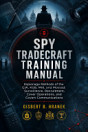
The Complete Intelligence Training Manual: Spycraft, Surveillance, Counterintelligence, HUMINT, Agent Recruitment, Covert Communications, and the Methods of the CIA, MI6, KGB, and Modern Intelligence Services
About this ebook
Behind governments, wars, diplomatic crises, technological breakthroughs, and global power struggles lies a hidden profession built on information, judgment, deception, and trust. The Complete Intelligence Training Manual takes you inside that world with a clear, compelling exploration of intelligence operations, spycraft, surveillance, counterintelligence, HUMINT, agent recruitment, covert communications, and the methods associated with major intelligence services such as the CIA, MI6, KGB, and their modern counterparts.
Written for readers fascinated by espionage history, intelligence methodology, Cold War operations, national security, and modern intelligence work, this book explains how professional intelligence developed from clandestine human networks into a complex global system combining human sources, signals, imagery, cyber capabilities, open-source research, and advanced analysis.
You will discover how intelligence officers are selected and trained, how analysts turn scattered information into meaningful intelligence, how human sources are assessed, and why motivation, access, reliability, and deception matter in HUMINT. The book also examines surveillance and counter-surveillance, operational cover, legends, security discipline, cryptography, secure communications, double agents, moles, insider threats, debriefing, interrogation history, technical intelligence, cyber espionage, propaganda, influence operations, and active measures.
Rather than presenting espionage as Hollywood fantasy, The Complete Intelligence Training Manual places tradecraft in its historical, institutional, psychological, and strategic context. Through major intelligence themes and recognizable case studies, you will see how intelligence successes are built, why operations fail, how agencies become vulnerable to penetration, and how errors in analysis can shape decisions far beyond the intelligence community.
The journey moves from the Cold War world of clandestine officers, coded messages, deep-cover identities, and human networks to the twenty-first-century environment of digital footprints, biometrics, artificial intelligence, metadata, social media, cyber operations, and information warfare. Along the way, the book compares the traditions and evolving methods of the CIA, Britain’s MI6, the Soviet KGB, Russia’s modern intelligence institutions, Israel’s Mossad, and other major services.
Inside, you will explore:
• Intelligence recruitment, selection, conditioning, and analytical thinking
• The intelligence cycle and major collection disciplines
• HUMINT, source motivation, agent handling, and reliability
• Surveillance, counter-surveillance, cover, legends, and operational security
• Cryptography, covert communications, and intelligence technology
• Counterintelligence, double agents, moles, and insider threats
• Cyber intelligence, artificial intelligence, and digital surveillance
• Propaganda, deception, influence operations, and active measures
• Historic intelligence failures, betrayals, and lessons
• The evolution of modern intelligence services
Each chapter is organized to make complex ideas easier to follow, connecting terminology, historical development, institutional practice, and case-based lessons. The result is both an accessible introduction and a detailed intelligence reference you can return to whenever you want to better understand the language, logic, structures, and enduring challenges of espionage.
Whether you are a student of intelligence history, a military-history reader, an espionage enthusiast, a researcher, or simply curious about how secret services think and operate, this manual offers a substantial reference designed to deepen your understanding of the hidden machinery behind intelligence.
Open the dossier, follow the evidence, and discover intelligence from the inside.
Discover more
About the author
Gisbert B. Hranek writes for readers who want complex subjects explained with structure, historical context, and practical clarity. In The Complete Intelligence Training Manual, he brings together public intelligence doctrine, declassified history, famous espionage cases, counterintelligence lessons, and modern technological developments in a single accessible reference.The author's approach is educational rather than sensational: understand the system, study the evidence, learn from failure, and separate intelligence reality from the mythology surrounding secret services.