Household Words: Restored Classics to Go Edition
About this ebook
Discover more
About the author
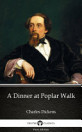
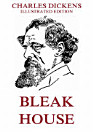
Charles Dickens was born in 1812 in Portsmouth and rose from a childhood shadowed by financial hardship, factory labor, and family instability to become one of the defining voices of English literature. His early struggles gave him an enduring sympathy for the vulnerable, and that sympathy helped shape a remarkable career as a novelist, journalist, editor, and public reader who captivated audiences on both sides of the Atlantic. He became celebrated for vivid storytelling, unforgettable characters, and a sharp eye for the injustices of Victorian society, building a body of work that exposed poverty, corruption, bureaucracy, child exploitation, and the cruelty hidden beneath respectability. Beyond his novels, he also made a major mark through his periodical writing and editorial projects, using the printed page to reach a broad public with commentary, fiction, and social observation. Dickens's work is still relevant because the issues he confronted—economic inequality, urban hardship, class division, and the need for compassion in public life—remain deeply familiar today. His lasting legacy lies in his ability to combine entertainment with moral urgency, making readers care about society as much as story. He continues to reward anyone who loves richly drawn characters, compelling plots, social critique, and literature that is both emotionally alive and ethically engaged.