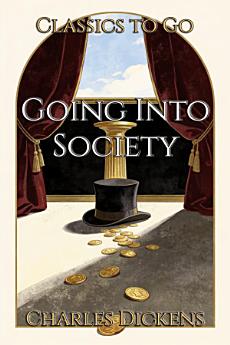
Going Into Society: Restored Classics to Go Edition
About this ebook
Discover more
About the author
Charles Dickens was born in 1812 in Portsmouth, England, and his life was shaped early by hardship, especially the humiliation and insecurity of his father's imprisonment for debt and the young Dickens's own factory work. Those experiences gave him a lifelong sympathy for the poor, the vulnerable, and the overlooked, and they helped make him one of the great social novelists in English literature. Rising first as a journalist and then as a serial fiction writer, he became famous for his vivid characters, comic brilliance, and sharp eye for the injustices of Victorian society. Across his career, he created unforgettable portraits of childhood, poverty, greed, bureaucracy, and moral awakening, while also showing the resilience of kindness, community, and hope. His writing often exposed the cruelty of institutions and the damage caused by inequality, themes that remain strikingly relevant today in conversations about class, labor, child welfare, and social responsibility. Dickens's influence reaches far beyond the nineteenth century: his characters, phrases, and scenes have entered everyday culture, and his compassion for ordinary people continues to shape how readers think about justice and empathy. He remains essential reading for anyone interested in the human cost of social systems and the power of storytelling to inspire reform. Readers who enjoy richly drawn characters, memorable humor, and fiction with both heart and conscience will find Charles Dickens especially rewarding.