Mudfog and Other Sketches: Restored Classics to Go Edition
About this ebook
Discover more
About the author
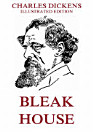
Charles Dickens was born in 1812 in Portsmouth and rose from a childhood marked by financial hardship, family instability, and time spent working in a factory to become one of the most celebrated novelists in the English language. His early experiences gave him a lifelong sensitivity to poverty, injustice, and the struggles of ordinary people, and those concerns shaped a career that transformed the Victorian novel. Through a remarkable sequence of serialized fiction, journalism, essays, and public readings, he created vivid stories filled with memorable characters, social satire, and emotional force. He had a gift for exposing hypocrisy, corruption, and cruelty while also finding humor, tenderness, and hope in the daily lives of people often ignored by society. His work repeatedly returns to themes that still matter today: inequality, child welfare, bureaucracy, ambition, family, redemption, and the tension between compassion and self-interest. Dickens's influence endures because he made social criticism deeply readable, proving that literature can entertain while also challenging readers to notice injustice and imagine reform. His legacy can be felt in modern storytelling, in the way writers blend vivid characterization with moral urgency, and in the continuing relevance of his humane vision. Readers who enjoy richly populated stories, sharp social observation, and unforgettable characters will find Dickens especially rewarding.