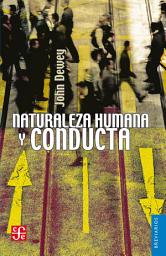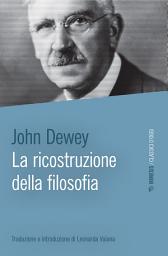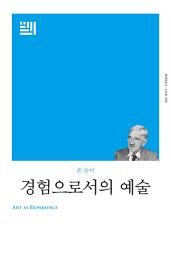
John Dewey
John Dewey, an influential American philosopher and educator, played a pivotal role in shaping modern educational theories and progressive pedagogy. Born in 1859, Dewey believed in the power of education to foster social progress and democracy. He emphasized the importance of active learning, experiential education, and the integration of knowledge with real-life experiences. Dewey's philosophy, often referred to as pragmatism, advocated for a student-centered approach to education, where learners actively engage with their environment, collaborate with others, and apply their knowledge to solve real-world problems. He believed that education should cultivate critical thinking, creativity, and moral development, preparing individuals to be active participants in democratic societies. Throughout his career, Dewey wrote extensively on educational theory, democracy, ethics, and social philosophy. His influential works, including Democracy and Education and Experience and Education, continue to shape educational practices around the world. Dewey's ideas have had a lasting impact, influencing curriculum design, teacher training, and educational policy. Beyond his contributions to education, Dewey was also a prominent voice in political and social issues. He championed social reform, advocated for women's suffrage, and emphasized the importance of social justice and equality. Dewey's legacy lies in his commitment to humanistic education, his belief in the transformative power of education, and his dedication to creating a more inclusive and democratic society. His ideas continue to inspire educators, philosophers, and policymakers to rethink traditional educational models and embrace a more progressive and student-centered approach.
Ebooks





































![Icon image Qualitative Thought / Qualitatives Denken. Englisch/Deutsch: [Great Papers Philosophie] – Dewey, John – zweisprachige Ausgabe – Philosophie-Bücher](https://play.viewpro.live/books/publisher/content/images/frontcover/Br4FEQAAQBAJ?fife=w256-h256)