Alfonsina Storni
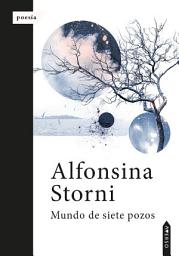
Alfonsina Storni was an Argentine writer of Swiss origin, widely recognized as one of the most influential figures in 20th-century Hispanic American literature. Born in Sala Capriasca, Switzerland, and raised in Argentina, Storni is known for her poetry that addresses themes such as feminist struggle, love, suffering, and the condition of women in society. Her work, characterized by a personal and defiant voice, earned her a prominent place in the literature of her time. Storni began publishing poetry in newspapers and magazines before releasing her first book, La inquietud del rosal (1916). Her poetic work evolved from an initial modernist tone to a more combative and feminist voice, as seen in books like El dulce daño (1918), Mundo de siete pozos (1934), and Mascarilla y trébol (1938). Her poetry challenges traditional gender roles and questions social hypocrisy with an innovative perspective for her time. Storni was one of the first Latin American female writers to openly challenge patriarchal ideals through her work. Her poetry influenced generations of female writers and feminist thinkers, solidifying her place as one of the most relevant voices in Spanish-language literature. She actively participated in intellectual and cultural circles, collaborating with other writers such as Gabriela Mistral and Horacio Quiroga. Her legacy remains alive not only because of the literary quality of her work but also due to the depth of her thought. Her exploration of female identity and the fight for emancipation continue to resonate today, making her an undeniable reference in feminist poetry.
Ebooks