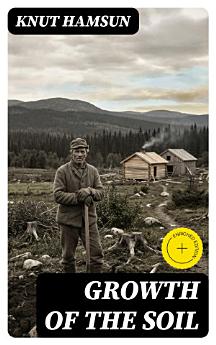
Growth of the Soil: Enriched edition. A Lyrical Tale of a Norwegian Farmer's Self-Sufficiency, Nature's Rhythms, and Rural Life in the 20th Century
Knut Hamsun
Nov 2022 · DigiCat
Ebook
327
Pages
family_home
Eligible
info
About this ebook
Knut Hamsun's "Growth of the Soil" stands as a seminal work in modern literature, intertwining themes of nature, civilization, and the human spirit through lyrical prose and rich symbolism. Set in Norway, it follows the life of Isak, a farmer, who embodies the struggle and triumph of humanity in connection with the land. Hamsun's mastery of evocative language and deep psychological insight places the work firmly within the context of early 20th-century literature, reflecting existential concerns that resonate with the naturalistic tradition while foreshadowing modernist experimentation with form and perspective. Hamsun, a Nobel Prize laureate, drew inspiration from his own experiences in rural Norway and a profound appreciation for nature's rhythms. His engagement with agrarian life, coupled with a desire to explore the interplay between individual identity and societal progress, is vividly reflected in this narrative. The author's complex relationship with the themes of freedom and constraint provides a rich backdrop that informs his characters' journeys and emotional landscapes. "Growth of the Soil" is highly recommended for readers seeking an exploration of the intimate relationship between man and nature. Its timeless themes and innovative narrative style offer profound insights into human resilience and the essential character of life itself, rendering it essential reading for both literature enthusiasts and those interested in philosophical inquiries into existence. In this enriched edition, we have carefully created added value for your reading experience: - A succinct Introduction situates the work's timeless appeal and themes. - The Synopsis outlines the central plot, highlighting key developments without spoiling critical twists. - A detailed Historical Context immerses you in the era's events and influences that shaped the writing. - An Author Biography reveals milestones in the author's life, illuminating the personal insights behind the text. - A thorough Analysis dissects symbols, motifs, and character arcs to unearth underlying meanings. - Reflection questions prompt you to engage personally with the work's messages, connecting them to modern life. - Hand‐picked Memorable Quotes shine a spotlight on moments of literary brilliance. - Interactive footnotes clarify unusual references, historical allusions, and archaic phrases for an effortless, more informed read.
Knut Hamsun's "Growth of the Soil" stands as a seminal work in modern literature, intertwining themes of nature, civilization, and the human spirit through lyrical prose and rich symbolism. Set in Norway, it follows the life of Isak, a farmer, who embodies the struggle and triumph of humanity in ...
Discover more
About the author
Knut Hamsun, born Knud Pedersen on August 4, 1859, in Lom, Norway, was a leading figure in the neo-romantic movement and a pioneer of psychological literature. His writing is characterized by deep exploration of the human mind, emotions, and connection with nature, often through characters who epitomize the struggle between societal expectations and personal desires. Hamsun's early life of poverty and varied occupations, including teaching, farming, and road laboring, heavily influenced his literary themes emphasizing the simplicity of rural life and the value of connecting with the earth. Hamsun's novel 'Growth of the Soil' ('Markens Grøde', 1917) is a manifestation of his love for nature and agrarian life, portraying the tale of Isak, a man who embodies the pioneering spirit, tilling and nurturing the land. This novel won him the Nobel Prize in Literature in 1920, appreciating his 'monumental work' which celebrates the primitive life force and eternal cycle of nature. Despite the acclaim, Hamsun's later years were marred by his support for Nazi Germany during World War II, leading to his arrest in 1945 and a fall from grace in the eyes of his contemporaries. Nevertheless, his work remains influential, contributing significantly to modernist literature, and inspiring authors such as Isaac Bashevis Singer and H. G. Wells. Hamsun died on February 19, 1952, leaving behind a complex legacy shaped by both his literary genius and his controversial political views.
Knut Hamsun, born Knud Pedersen on August 4, 1859, in Lom, Norway, was a leading figure in the neo-romantic movement and a pioneer of psychological literature. His writing is characterized by deep exploration of the human mind, emotions, and connection with nature, often through characters who ep...
Rate this ebook
Tell us what you think.
Reading information
Smartphones and tablets
Install the Google Play Books app for Android and iPad/iPhone. It syncs automatically with your account and allows you to read online or offline wherever you are.
Laptops and computers
You can listen to audiobooks purchased on Google Play using your computer's web browser.
eReaders and other devices
To read on e-ink devices like Kobo eReaders, you'll need to download a file and transfer it to your device. Follow the detailed Help Center instructions to transfer the files to supported eReaders.