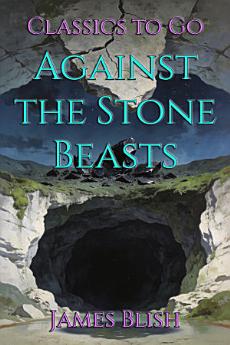
Against the Stone Beasts: Restored Classics to Go Edition
About this ebook
Discover more
About the author
James Blish was an American science fiction writer and critic whose career helped shape the genre during the mid-twentieth century, when ideas about science, faith, and human responsibility were rapidly changing. Born in 1921 and trained in biology, he brought a sharp analytical mind to his fiction, and his work often combined intellectual rigor with a deep concern for moral and philosophical questions. Over the course of his career, he became known for inventive stories that explored space exploration, technological progress, theological doubt, and the uneasy relationship between human ambition and the limits of knowledge. He also made an important mark as a critic and editor, helping to define science fiction as a serious literary form rather than mere entertainment. Blish's writing frequently returns to themes of transformation, belief, and the consequences of scientific power, subjects that remain strikingly relevant in an age shaped by rapid technological change and ethical uncertainty. His legacy endures in the way he challenged readers to think beyond spectacle and consider the human costs of progress, making him a lasting figure for anyone interested in intellectually ambitious speculative fiction. Readers who enjoy thoughtful, idea-driven science fiction with philosophical depth and a serious engagement with big questions will especially appreciate James Blish.