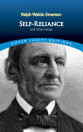
Essays: Restored Classics to Go Edition
About this ebook
About the author
Ralph Waldo Emerson (1803–1882) was an American essayist, poet, lecturer, and philosopher whose life helped define the intellectual spirit of nineteenth-century America. Born in Boston and educated at Harvard, he began his career as a Unitarian minister before turning away from the pulpit to pursue a freer, more independent path as a writer and public thinker. After travels in Europe and friendships with leading figures of his age, he became the central voice of Transcendentalism, advocating self-reliance, intuition, and a deep trust in the moral and spiritual possibilities of the individual. His essays, lectures, and poems helped shape American literary culture, and his later career as a celebrated lecturer made him one of the most influential public intellectuals of his time. Emerson's work explores the dignity of the self, the power of nature, the value of originality, and the tension between conformity and inner truth, themes that remain strikingly relevant in a world still wrestling with identity, social pressure, and the search for meaning. He also wrote with enduring insight about friendship, character, work, and the relationship between the individual and society, giving readers a language for independence without isolation. His legacy endures not only in literature but in American thought more broadly, where his ideas continue to inspire writers, students, and anyone seeking clarity and courage in their own lives. Readers who enjoy reflective prose, philosophical essays, and timeless encouragement to think for themselves will find Emerson especially rewarding.