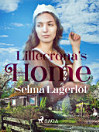
Liliecrona's Home: Restored Classics to Go Edition
About this ebook
Discover more
About the author
Selma Lagerlöf, born in 1858 on the family estate in Värmland, Sweden, grew up amid the landscapes, folktales, and oral traditions that would later give her writing its distinctive warmth and enchantment. After training as a teacher, she turned increasingly to literature, and her career soon made history: she became the first woman to receive the Nobel Prize in Literature and one of the most celebrated voices in Scandinavian letters. Her fiction blends realism with legend, memory with moral vision, and she is especially admired for her ability to make ordinary lives feel touched by myth and spiritual depth. Across her work, she returns to themes of belonging, redemption, social duty, faith, and the quiet resilience of women and communities, often revealing how compassion can transform even the hardest circumstances. These concerns remain strikingly relevant today, when readers continue to look for stories that honor place, identity, and ethical responsibility. Lagerlöf's legacy lies not only in her literary artistry but also in the path she opened for women writers and in her enduring gift for showing that imagination can illuminate truth. Readers who enjoy lyrical prose, emotionally rich storytelling, and novels shaped by folklore, history, and human conscience will find her especially rewarding.