From a Swedish Homestead: Restored Classics to Go Edition
About this ebook
Discover more
About the author
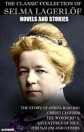
Selma Lagerlöf was a pioneering Swedish writer whose life and career helped reshape modern literature. Born in 1858 at Mårbacka in rural Värmland, she grew up surrounded by folklore, landscape, and family stories that later became central to her imagination. After working as a teacher, she published her first major fiction to immediate acclaim and went on to become the first woman to receive the Nobel Prize in Literature, a milestone that reflected both her extraordinary talent and her importance in breaking literary barriers. Her writing combines lyrical storytelling with moral depth, drawing on Swedish village life, legend, faith, memory, and the bonds between people and place. She is especially admired for her ability to make the ordinary feel timeless, and for giving voice to women, outsiders, and communities shaped by hardship and hope. Her work remains relevant today because it explores belonging, social responsibility, the power of imagination, and the tension between tradition and change—questions that still speak strongly to modern readers. Lagerlöf's legacy endures not only in Scandinavian literature but in world literature as a whole, where she stands as a writer of warmth, vision, and enduring human insight. Readers who enjoy richly atmospheric stories, folklore-infused realism, and thoughtful portrayals of rural life will find her especially rewarding.