About this ebook
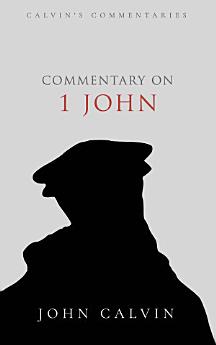
Written during the height of the Protestant Reformation, John Calvin’s Commentary on 1 John showcases the reformer’s celebrated method of “lucid brevity.” With characteristic exegetical precision, Calvin moves verse by verse through the epistle, anchoring his interpretation firmly in the original Greek text while remaining acutely sensitive to the pastoral needs of the church.
At the heart of the commentary lies John’s urgent defense of apostolic doctrine against nascent heresies. Calvin examines the critical marks of authentic faith, parsing the inseparable bond between sound belief, moral obedience, and self-sacrificing love for one’s neighbor. Rather than presenting a cold dogmatic treatise, he addresses the practical anxiety of the believer seeking true assurance in Christ.
Calvin’s insights illuminate the theological core of the letter: that God is light, that God is love, and that fellowship with Him必然transforms the believer’s life. His balanced handling of human frailty alongside the pursuit of holiness reveals a pastor’s heart beating beneath the formidable scholar’s intellect.
Enduringly influential and remarkably accessible, this commentary remains an indispensable resource for students of Scripture, historical theology, and pastoral ministry. Calvin’s profound engagement with the First Epistle of John continues to challenge the intellect and nourish the soul of modern readers.
Discover more
About the author
John Calvin (1509-1564) was a prominent French theologian, pastor, and reformer during the Protestant Reformation. He is best known for his influential work in systematic theology, particularly his emphasis on the sovereignty of God and the doctrine of predestination. Calvin's writings, including his magnum opus, Institutes of the Christian Religion, have had a lasting impact on Reformed theology and continue to shape Christian thought to this day.