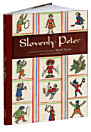
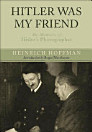
About this ebook
About the author
Heinrich Hoffmann was a German physician, psychiatrist, and writer born in 1809 in Frankfurt am Main, whose unusual career bridged the worlds of medicine, social reform, and children's literature. Deeply interested in the lives of children and the moral education of families, he became one of the 19th century's most distinctive voices in popular verse and illustrated storytelling. His best-known work helped define a new kind of children's literature: lively, visual, and memorably cautionary, using sharp humor and exaggerated consequences to teach lessons about behavior, safety, and self-control. Hoffmann's writing often combines comic energy with stern moral purpose, reflecting the values and anxieties of his time while still speaking to modern readers through its vivid imagination and unforgettable images. Beneath the playful surface, his work explores themes of discipline, curiosity, obedience, and the consequences of impulsive actions, making it relevant to ongoing conversations about childhood, education, and the way stories shape conduct. As both a doctor and a storyteller, Hoffmann left a lasting mark on the development of illustrated children's books and on the cultural memory of cautionary tales. Today, he remains significant for readers interested in the origins of modern children's literature, the history of moral storytelling, and the strange, enduring charm of darkly comic verse. He will especially appeal to readers who enjoy classic children's books, literary history, and stories that are as entertaining as they are instructive.