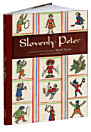
Struwwelpeter: Restored Classics to Go Edition
About this ebook
About the author
Heinrich Hoffmann was a German physician, poet, and writer born in Frankfurt in 1809, whose life bridged medicine, civic service, and imaginative literature. Trained as a doctor, he spent much of his career caring for patients and later became involved in public life, but he is best remembered for the inventive children's literature he created alongside his medical work. His most famous contribution is a sharply memorable collection of cautionary tales for children, built from vivid verse and striking illustrations that combine humor, exaggeration, and moral warning. Hoffmann's writing often explores misbehavior, curiosity, vanity, disobedience, and the consequences of ignoring advice, yet it does so with a theatrical energy that has kept it alive far beyond its original nineteenth-century context. What makes his work still relevant today is the way it captures the tension between discipline and imagination, showing how children's literature can be both entertaining and unsettling, playful and corrective. His legacy lies in helping shape modern picture books and in proving that stories for young readers can leave a lasting cultural imprint. Readers who enjoy classic children's literature, dark humor, and the history of illustrated storytelling will find Hoffmann especially rewarding.