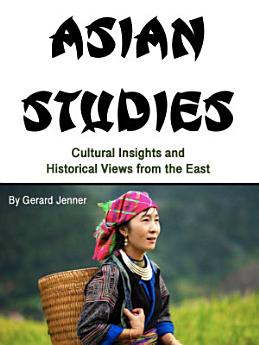
Asian Studies: Cultural Insights and Historical Views from the East
About this ebook
The economic miracle that swept across East and Southeast Asia from the 1960s through the 1990s fundamentally altered global power relationships while demonstrating alternative pathways to modernization that did not require wholesale adoption of Western political institutions or cultural values. Countries like South Korea, Taiwan, and Singapore achieved unprecedented rates of economic growth through export-oriented industrialization strategies that combined strong state intervention with market mechanisms, creating development models that challenged prevailing economic orthodoxies while proving that Confucian cultural values could support rather than hinder capitalist economic development.
Japan's post-war recovery established the template for Asian economic success through a combination of technological innovation, export promotion, and strategic industrial policy that enabled a devastated nation to become the world's second-largest economy within three decades. The Japanese model of developmental capitalism, characterized by close cooperation between government bureaucrats and business leaders, lifetime employment systems, and emphasis on continuous improvement, provided inspiration for other Asian countries while demonstrating how traditional cultural values could be adapted to support modern economic growth.