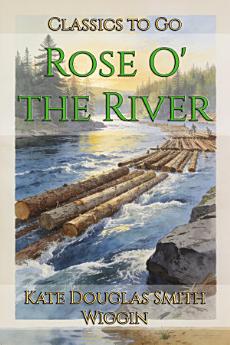
Rose O' the River: Restored Classics to Go Edition
About this ebook
Discover more
About the author
Kate Douglas Smith Wiggin was an American writer, educator, and pioneer in children's literature whose life was shaped by both practical purpose and imaginative sympathy. Born in Philadelphia and later active in Maine and California, she devoted much of her early career to improving the lives of children, helping to establish one of the first free kindergartens in the United States and advocating for progressive education at a time when such ideas were still new. That humane commitment carried into her writing, where she became beloved for stories that blend warmth, wit, and moral insight with a clear-eyed understanding of family life, childhood, and the quiet struggles of ordinary people. Her most enduring work is marked by lively dialogue, affectionate humor, and a deep belief in the resilience of the human spirit, especially in girls and women navigating social expectations, loss, and change. She wrote with unusual tenderness about home, community, and the importance of kindness, themes that still resonate in a world looking for empathy and stability. Today, Wiggin remains significant not only as a gifted storyteller but also as a cultural figure who helped expand the role of literature in shaping childhood and education. Readers who enjoy heartfelt, character-driven fiction with a strong sense of place and a generous spirit will find her work especially rewarding.