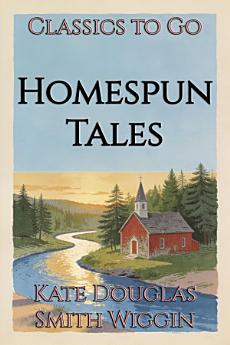
Homespun Tales: Restored Classics to Go Edition
About this ebook
Discover more
About the author
Kate Douglas Smith Wiggin was an American writer, educator, and passionate advocate for children whose life bridged literature and reform at the turn of the twentieth century. Born in Philadelphia and later shaped by the changing social world of New England and California, she devoted much of her career to improving the lives of young people, founding one of the first free kindergartens in San Francisco and helping to promote early childhood education in the United States. Her literary reputation grew through warmly observed stories of family life, childhood, and small-town manners, written with humor, sympathy, and a keen ear for speech and character. She became especially admired for her ability to portray children not as sentimental ideals but as vivid, complicated human beings, and her fiction and essays often reflect a belief in kindness, imagination, and the moral power of nurture. Her work remains relevant today because it speaks to enduring questions about education, gender roles, social class, and the importance of empathy in everyday life. Wiggin's legacy lies in her rare combination of social purpose and storytelling grace: she helped shape both American children's literature and the broader cultural understanding of childhood. Readers who enjoy gentle wit, emotionally observant domestic fiction, and stories that value both heart and intelligence will find her especially rewarding.