History of English Literature: Restored Classics to Go Edition
About this ebook
About the author
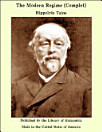
Hippolyte Taine was a towering French critic, historian, and philosopher of the nineteenth century, born in 1828 in the Ardennes and educated in the rigorous intellectual climate of France's great schools. Brilliant from an early age, he built a career that moved between teaching, journalism, literary criticism, and historical inquiry, becoming one of the most influential thinkers of his era. Taine is best remembered for his ambitious attempt to explain literature and culture through the interplay of race, environment, and historical moment, a method that shaped modern criticism even as later readers questioned its limits. His major writings combined wide learning with a strikingly analytical style, and he brought the same disciplined intelligence to studies of English literature, the French Revolution, and the origins of modern society. What makes Taine still relevant is his insistence that books do not exist in isolation: they emerge from social forces, national character, and lived experience. That perspective continues to speak to readers interested in how art reflects power, politics, and collective identity. At his best, he is both exacting and vivid, offering a way of reading that feels surprisingly modern in its attention to context and complexity. Today, Taine remains important not only as a literary historian but as a thinker who helped shape the study of culture itself. Readers who enjoy intellectually rigorous criticism, broad historical vision, and the meeting point of literature and social history will find him especially rewarding.