History of English Literature: Restored Classics to Go Edition
About this ebook
Discover more
About the author
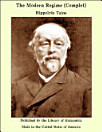
Hippolyte Taine was a brilliant French critic, historian, and philosopher whose life stretched across the turbulent intellectual world of nineteenth-century Europe, where he became one of the most influential voices in modern literary criticism. Born in 1828 and educated in the rigorous traditions of French scholarship, he developed an approach to literature that sought to explain works of art through the forces that shaped them: the writer's temperament, the social environment, and the historical moment. This method made him a major figure in the study of literature and culture, and his wide-ranging writings on art, history, and society helped redefine criticism as something grounded in observation rather than impression. Among his most important achievements was his sweeping examination of English literature, along with equally ambitious studies of the French Revolution and the origins of modern society, all marked by his distinctive blend of intellectual precision and broad historical vision. Taine's work often returns to questions of how character is formed, how institutions influence thought, and how national life shapes artistic expression, themes that remain strikingly relevant in an age still preoccupied with identity, culture, and the pressure of social forces on individual freedom. Though some of his theories now invite debate, his legacy endures in the seriousness with which he treated literature as part of a larger human and historical drama. Readers today will find him especially rewarding if they enjoy thoughtful criticism, cultural history, and books that connect literature to the wider currents of civilization.