About this ebook
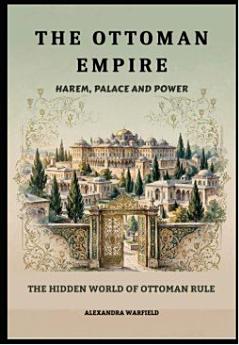
At its height in the 1520s, the Ottoman Empire governed thirty million people across three continents, from Vienna to the Red Sea and from the Crimean steppe to the Nile. Its capital, Constantinople, was taken from Byzantium on 29 May 1453. This book examines the internal workings of Ottoman rule, drawing on Ottoman chronicles from the 14th and 15th centuries, Venetian diplomatic dispatches, Habsburg ambassador Busbecq's 1550s account of Suleiman's court, the Istanbul Kadi Sicilleri legal registers, Evliya Çelebi's Seyahatname, and modern scholarship including Leslie Peirce and Caroline Finkel.
Figures examined include Hürrem Sultan, born a slave in Ruthenia around 1502, who became the legal wife of Suleiman the Magnificent; Kösem Sultan, who governed as regent between 1623 and 1651; the Janissary corps, disbanded by Mahmud II in 1826; and the grand viziers who administered the empire's central bureaucracy.