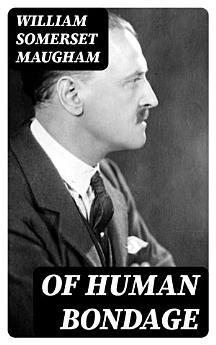
Of Human Bondage: Classic of English Literature
Nov 2022 · DigiCat
Ebook
745
Pages
family_home
Eligible
info
About this ebook
William Somerset Maugham's seminal novel, "Of Human Bondage," intricately weaves the autobiographical elements of his life with a profound exploration of human desire and existential struggle. Set in the early 20th century, the narrative follows Philip Carey, a young man marked by physical deformity and an insatiable yearning for belonging and love. Maugham's narrative style is characterized by its rich psychological insight and a masterful blend of realism and existential philosophy, reflecting the influences of contemporary literary movements, such as naturalism and modernism. The novel delves deep into the themes of obsession, freedom, and the complexities of human relationships, making it a poignant examination of the bonds that bind and restrict us. Maugham, a literary figure known for his deep psychological insight and diverse life experiences, draws from his own struggles with identity and emotional entanglement in crafting Philip Carey's journey. Born into a tumultuous family situation and harboring a keen interest in the human condition, Maugham's experiences as a medical student and his extensive travels undoubtedly informed the observations he offers about society, love, and personal choice in this timeless work. Highly recommended for readers intrigued by the intricacies of human emotions and the perpetual quest for autonomy, "Of Human Bondage" stands as a classic study of the individual's pursuit of meaning against societal constraints. This evocative narrative invites contemplation and will resonate with anyone grappling with the complexities of human relationships and self-discovery.
William Somerset Maugham's seminal novel, "Of Human Bondage," intricately weaves the autobiographical elements of his life with a profound exploration of human desire and existential struggle. Set in the early 20th century, the narrative follows Philip Carey, a young man marked by physical deform...
Discover more
About the author
William Somerset Maugham, born on January 25, 1874, in Paris, was an English playwright, novelist, and short story writer, reputed for his clear, unadorned language and insightful characterizations of human behavior. As one of the most popular writers of his era, Maugham's work reflects his cosmopolitan worldview, drawing significantly from his experiences as a medical student, a secret service agent, and a traveler. His masterpiece, 'Of Human Bondage' (1915), is a semi-autobiographical novel that delineates the life of Philip Carey, a sensitive young man with a club foot who transcends adversities in his quest for artistic and personal freedom. The novel, acknowledged for its vivid realism and deep psychological insight, is often regarded as a pinnacle of 20th-century literature and has contributed notably to Maugham's enduring legacy. With a prolific career that spanned over six decades, Maugham wrote more than 30 plays, 24 novels, and numerous short stories, including 'The Razor's Edge' and 'The Moon and Sixpence,' both of which further secure his reputation as a literary craftsman adept at exploring the complexities of the human condition. Maugham's style, which combines sharp wit with a critical edge, has afforded him a prominent place in the pantheon of modern British literature. He passed away on December 16, 1965, leaving behind a body of work that continues to be widely read and admired.
William Somerset Maugham, born on January 25, 1874, in Paris, was an English playwright, novelist, and short story writer, reputed for his clear, unadorned language and insightful characterizations of human behavior. As one of the most popular writers of his era, Maugham's work reflects his cosmo...
Rate this ebook
Tell us what you think.
Reading information
Smartphones and tablets
Install the Google Play Books app for Android and iPad/iPhone. It syncs automatically with your account and allows you to read online or offline wherever you are.
Laptops and computers
You can listen to audiobooks purchased on Google Play using your computer's web browser.
eReaders and other devices
To read on e-ink devices like Kobo eReaders, you'll need to download a file and transfer it to your device. Follow the detailed Help Center instructions to transfer the files to supported eReaders.