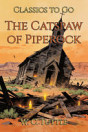
The Hen-punchers of Piperock: Restored Classics to Go Edition
About this ebook
Discover more
About the author
W. C. "Wilbur C." Tuttle was an American writer whose life and fiction were shaped by the energy, rough humor, and frontier spirit of the early twentieth-century West. Best known for his lively cowboy stories and Western tales, he built a career out of capturing the rhythms of ranch life, the camaraderie of working cowhands, and the hard-edged comedy that can thrive in lonely country. His writing often followed ordinary men and women caught in practical struggles, where grit, loyalty, and quick wit mattered as much as courage. Tuttle's stories helped define the popular Western as more than gunfights and open range; he gave it personality, warmth, and a strong sense of place, showing how humor could sit beside danger and how everyday labor could become dramatic literature. The themes he returned to—resilience, independence, justice, and the tension between civilization and the wild—still resonate today, especially for readers interested in American identity and the myths that shaped it. Though his name is less widely known now than some of his contemporaries, his work remains an important part of Western fiction's development and a reminder that genre writing can be both entertaining and revealing. Readers who enjoy classic Westerns, ranch stories, and character-driven tales with a dry, authentic sense of humor are especially likely to appreciate Tuttle's work.