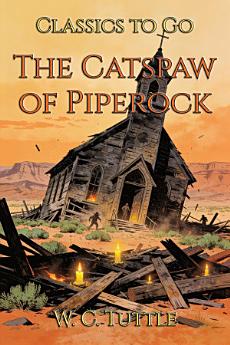
The Catspaw of Piperock: Restored Classics to Go Edition
About this ebook
Discover more
About the author
W. C. Tuttle, who wrote under the name Wilbur C. Tuttle, was an American storyteller whose life and career were closely tied to the popular fiction culture of the early twentieth century, especially the fast-moving world of pulp magazines. Born in the American West and shaped by the frontier atmosphere that would later animate so much of his fiction, he became known for lively tales of cowboys, drifters, small-town schemers, and hard-edged but often good-humored western adventurers. His writing was prized for its brisk pacing, vivid dialogue, and affection for ordinary people trying to make sense of rough country and rougher circumstances. Over time, he built a strong reputation as one of the dependable voices of western pulp fiction, producing stories that blended action, comedy, and a sharp eye for character. His best work often captures the tension between lawlessness and decency, loneliness and fellowship, and the ways communities improvise moral order on the edge of civilization. Those themes still resonate today because they speak to resilience, identity, and the humor people use to survive difficult lives. Tuttle's legacy lies in his ability to make the western feel human, immediate, and entertaining without losing its sense of place. Readers who enjoy classic westerns, colorful characters, and stories with both grit and wit will find him especially rewarding today.