Outlook Editorials: Restored Classics to Go Edition
About this ebook
Discover more
About the author
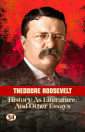
Theodore Roosevelt was a larger-than-life American statesman, reformer, historian, and writer whose energy seemed to spill into every arena he entered. Born in New York City in 1858, he overcame fragile childhood health through relentless discipline, went on to Harvard, and built a career that included service as a state legislator, police commissioner, assistant secretary of the navy, Rough Rider, governor, vice president, and president of the United States. Alongside his public life, he proved to be a remarkably prolific author and essayist, bringing the same forceful intelligence to the page that he brought to politics and action. His writing often championed civic duty, personal courage, conservation, national strength, and the moral obligation to use power responsibly, themes that still resonate in an age grappling with leadership, public trust, and the balance between individual ambition and the common good. Roosevelt's literary voice is direct, vigorous, and persuasive, reflecting a mind that believed words should inspire action rather than merely describe the world. His legacy endures not only in American political history but also in the continuing appeal of his ideas about character, resilience, and engaged citizenship. Readers who enjoy spirited political writing, public affairs, history, and strong-minded reflections on society will find Roosevelt especially rewarding.