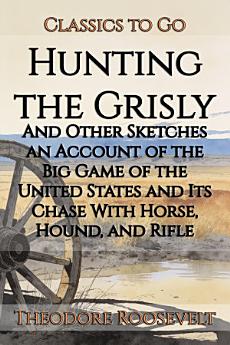
Hunting the Grisly: Restored Classics to Go Edition

· Otbebookpublishing
Ebook
251
Pages
Eligible

About this ebook

Theodore Roosevelt opens with the American buffalo in all its vastness: a creature that once ranged from the eastern forests to the Great Plains and shaped the lives of Native tribes, hunters, and frontiersmen. He mourns the species' catastrophic decline after the Civil War, blaming railroads, hide hunters, and the speed with which abundance gave way to near-extinction. From there, the narrative moves into the hard, vivid world of the frontier, where Roosevelt recalls family stories of buffalo hunting in Texas, especially the youthful ordeal of his brother Elliott and cousin John in 1877. Their journey to the Brazos is marked by wagons, horses, dogs, frontier brawls, scarce water, bitter weather, and the constant need to trade meat and hides for supplies. In camp and on the open prairie, hunters stalk buffalo on foot, endure stampedes that roll like thunder, and survive Comanche raids, dangerous crossings, and violent close calls. Roosevelt broadens the vision to mountain and wood bison, grizzly bears, and the rough competence of cowboys and trappers, balancing awe, hardship, and practical skill in a frontier world where every hunt could become a fight for life. This edition has been fully restored with modern typesetting, custom cover design.
Theodore Roosevelt opens with the American buffalo in all its vastness: a creature that once ranged from the eastern forests to the Great Plains and shaped the lives of Native tribes, hunters, and frontiersmen. He mourns the species' catastrophic decline after the Civil War, blaming railroads, hi...

Discover more

About the author

Theodore Roosevelt was born in New York City in 1858 and grew from a frail, asthmatic child into one of the most vigorous and influential figures in American public life. He studied at Harvard, entered politics at a young age, served as a reform-minded police commissioner and governor, and later became the 26th president of the United States, where his forceful personality helped reshape the modern presidency. Yet Roosevelt was not only a statesman but also a remarkably productive writer, historian, naturalist, and observer of American life, with a body of work that reflects his deep fascination with character, courage, wilderness, and national identity. His writings often combine firsthand experience with vivid energy, whether he is describing frontier adventure, military service, conservation, or the moral responsibilities of citizenship. Central to his work are themes of self-reliance, discipline, public duty, and the belief that strength should be matched by ethical purpose, ideas that still resonate in an age searching for leadership, environmental stewardship, and civic commitment. Roosevelt's legacy endures because he helped define both the language of American vigor and the practical importance of conservation, leaving behind a body of work that is as much about how to live as what to think. Readers who enjoy adventurous nonfiction, American history, nature writing, and larger-than-life personalities will find him especially rewarding.
Theodore Roosevelt was born in New York City in 1858 and grew from a frail, asthmatic child into one of the most vigorous and influential figures in American public life. He studied at Harvard, entered politics at a young age, served as a reform-minded police commissioner and governor, and later ...

Rate this ebook

Tell us what you think.

Reading information

Smartphones and tablets
Install the Google Play Books app for Android and iPad/iPhone. It syncs automatically with your account and allows you to read online or offline wherever you are.
Laptops and computers
You can listen to audiobooks purchased on Google Play using your computer's web browser.
eReaders and other devices
To read on e-ink devices like Kobo eReaders, you'll need to download a file and transfer it to your device. Follow the detailed Help Center instructions to transfer the files to supported eReaders.