About this ebook
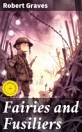
In "Over the Brazier," Robert Graves masterfully intertwines the themes of love, art, and human experience within a narrative steeped in lyrical prose and metaphorical depth. Set against the backdrop of post-World War I England, Graves employs a unique blend of autobiographical elements and fictional storytelling, creating a poignant exploration of the complexities of life and the healing power of art. The book reflects the literary style of the early 20th century, marked by introspection and a rejection of conventional norms, resonating with the broader context of modernist literature. Robert Graves, a distinguished poet, novelist, and scholar, draws upon his own tumultuous experiences as a soldier and the transformative aftermath of the war that shaped his worldview. His deep interest in mythology and the human psyche informs the rich narrative of "Over the Brazier," reflecting his lifelong engagement with identity and existential themes. Graves's erudition and personal experiences lend authenticity to the work, as he grapples with the themes of loss and renewal. For readers seeking an evocative exploration of the intersections of creativity and life's trials, "Over the Brazier" is an indispensable journey. Its profound reflections on love, loss, and the search for meaning speak to the human condition, compelling readers to contemplate their own experiences through the lens of Graves's artful narrative.
In "Over the Brazier," Robert Graves masterfully intertwines the themes of love, art, and human experience within a narrative steeped in lyrical prose and metaphorical depth. Set against the backdrop of post-World War I England, Graves employs a unique blend of autobiographical elements and ficti...
About the author
Robert Graves was a renowned English poet, novelist, and critic, best known for his reinterpretation of the Classical myths through a modern lens. Born on July 24, 1895, in Wimbledon, Graves had a profound influence on 20th-century literature. His education at Charterhouse, followed by his service in the First World War, which he enlisted for in 1914, deeply affected his writing and outlook on life. This experience fueled much of his early poetry, including his first volume, 'Over the Brazier' (1916), which reflects the horrors and futility of war. Graves' poetry is characterized by his clear, narrative style, as well as a deeply personal and emotional intensity, often exploring themes of love, death, and war. After the war, he became associated with the Georgian poets, though he later critiqued the movement. Graves is also acclaimed for his innovative scholarly work, most notably 'The White Goddess' (1948), where he explores the mythological foundations of poetry. His historical novels, such as 'I, Claudius' (1934), gained him literary fame beyond his vast poetic output. Graves' ceaseless literary exploration and academic pursuits have forever cemented his reputation as a multi-faceted author whose work transcends genre and era.
Robert Graves was a renowned English poet, novelist, and critic, best known for his reinterpretation of the Classical myths through a modern lens. Born on July 24, 1895, in Wimbledon, Graves had a profound influence on 20th-century literature. His education at Charterhouse, followed by his servic...
Rate this ebook
Tell us what you think.
Reading information
Smartphones and tablets
Install the Google Play Books app for Android and iPad/iPhone. It syncs automatically with your account and allows you to read online or offline wherever you are.
Laptops and computers
You can listen to audiobooks purchased on Google Play using your computer's web browser.
eReaders and other devices
To read on e-ink devices like Kobo eReaders, you'll need to download a file and transfer it to your device. Follow the detailed Help Center instructions to transfer the files to supported eReaders.