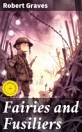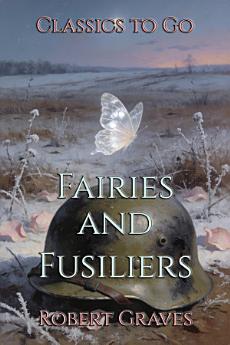
Fairies and Fusiliers: Restored Classics to Go Edition
About this ebook
About the author
Robert Graves was an English poet, novelist, critic, and scholar whose long, restless life helped shape one of the most distinctive voices in twentieth-century literature. Born in 1895, he was educated at Charterhouse and later at Oxford, but the First World War interrupted his studies and left a deep mark on his imagination and work; his experiences as a soldier, along with the emotional and physical aftermath of war, fed much of his writing for decades to come. Graves went on to build a remarkably varied career, producing poetry, historical fiction, literary criticism, and influential studies of myth and antiquity, and he became especially admired for the clarity, wit, and emotional intensity of his verse. His poetry often balances love, loss, memory, and the brutal absurdities of conflict, while his prose reveals a lifelong fascination with the ancient world, storytelling, and the power of symbols. What makes Graves feel especially relevant today is his ability to connect private feeling with larger historical forces: he writes about war, identity, gender, creativity, and belief in ways that still speak to modern readers navigating uncertainty and change. His legacy endures not only in the richness of his imagination but also in his refusal to separate art from lived experience. Readers who enjoy lyrical poetry, classical allusion, intellectual curiosity, and writing that is both personal and deeply rooted in history will find Graves especially rewarding.