About this ebook
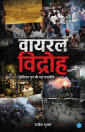
A central theme is Varanasi’s enduring Hindu–Muslim brotherhood, embodied in the Ganga-Jamuni tehzeeb, where communities share festivals like Holi, Ramleela, Iftar, and Muharram, and participate in each other’s rituals and daily life. The city’s multi-religious heritage—Hindu, Muslim, Sikh, and Jain—has nurtured syncretic traditions in music, literature, and crafts. Figures like Tulsidas, Kabir, and musicians such as Bismillah Khan exemplify this cultural synthesis.
The book also highlights challenges: rapid urbanization, economic shifts, and threats to heritage and communal harmony. It calls for inclusive, sustainable development that respects local communities, traditional architecture, and environmental balance, so Varanasi can modernize while preserving its unique spiritual and cultural identity
Discover more
About the author
Rajesh Shukla is a seasoned Indian journalist and author with more than 35 years of experience in print and television media. Born on December 6, 1968, in Patratu, Jharkhand, he holds a graduate degree in History from Ranchi University. His journalism career began in 1989, and a decade later, in 1999, he entered television journalism, expanding his editorial and production skills. In 2006, he joined TV Today Network, one of India’s largest media companies, where he served for about 15 years as Deputy Executive Producer with “Dilli Aaj Tak,” overseeing significant news and current-affairs programming. Currently, Shukla works as an independent writer and researcher, drawing on his extensive background to produce insightful commentary and analysis. His long and varied media journey has given him deep insight, a strong voice, and lasting credibility in the industry.