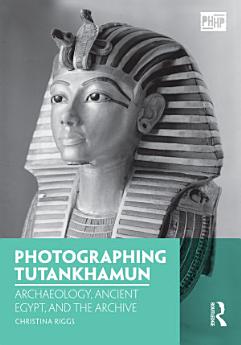
Photographing Tutankhamun: Archaeology, Ancient Egypt, and the Archive
2020 බිනර · Routledge
ඉ-පොත
272
පිටු
family_home
සුදුසුකම් ලබයි
info
මෙම ඉ-පොත ගැන
They are among the most famous and compelling photographs ever made in archaeology: Howard Carter kneeling before the burial shrines of Tutankhamun; life-size statues of the boy king on guard beside a doorway, tantalizingly sealed, in his tomb; or a solid gold coffin still draped with flowers cut more than 3,300 years ago. Yet until now, no study has explored the ways in which photography helped mythologize the tomb of Tutankhamun, nor the role photography played in shaping archaeological methods and interpretations, both in and beyond the field. This book undertakes the first critical analysis of the photographic archive formed during the ten-year clearance of the tomb, and in doing so explores the interface between photography and archaeology at a pivotal time for both. Photographing Tutankhamun foregrounds photography as a material, technical, and social process in early 20th-century archaeology, in order to question how the photograph made and remade ‘ancient Egypt’ in the waning age of colonial order.
They are among the most famous and compelling photographs ever made in archaeology: Howard Carter kneeling before the burial shrines of Tutankhamun; life-size statues of the boy king on guard beside a doorway, tantalizingly sealed, in his tomb; or a solid gold coffin still draped with flowers cut...
තව සොයා ගන්න
කර්තෘ පිළිබඳ
Christina Riggs is Professor of the History of Visual Culture at Durham University.
Christina Riggs is Professor of the History of Visual Culture at Durham University.
මෙම ඉ-පොත අගයන්න
ඔබ සිතන දෙය අපට කියන්න.
කියවීමේ තොරතුරු
ස්මාර්ට් දුරකථන සහ ටැබ්ලට්
Android සහ iPad/iPhone සඳහා Google Play පොත් යෙදුම ස්ථාපනය කරන්න. එය ඔබේ ගිණුම සමඟ ස්වයංක්රීයව සමමුහුර්ත කරන අතර ඔබට ඕනෑම තැනක සිට සබැඳිව හෝ නොබැඳිව කියවීමට ඉඩ සලසයි.
ලැප්ටොප් සහ පරිගණක
ඔබට ඔබේ පරිගණකයේ වෙබ් බ්රව්සරය භාවිතයෙන් Google Play මත මිලදී ගත් ශ්රව්යපොත්වලට සවන් දිය හැක.
eReaders සහ වෙනත් උපාංග
Kobo eReaders වැනි e-ink උපාංග පිළිබඳ කියවීමට, ඔබ විසින් ගොනුවක් බාගෙන ඔබේ උපාංගයට එය මාරු කිරීම සිදු කළ යුතු වේ. ආධාරකරු ඉ-කියවනයට ගොනු මාරු කිරීමට විස්තරාත්මක උදවු මධ්යස්ථාන උපදෙස් අනුගමනය කරන්න.