About this ebook
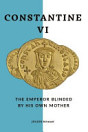
In 1071, just four years after Constantine X Doukas died surrounded by manuscripts and theological treatises, the Byzantine Empire suffered its most catastrophic military defeat in 700 years. At Manzikert, Turkish forces shattered the imperial army and captured the emperor. Within a generation, Byzantium lost territories it would never recover. The architect of this disaster? A scholar-emperor who believed civilization could survive without the sword to defend it.
Inside this meticulously researched biography, discover:
How Constantine systematically dismantled the military system that had protected Byzantium for four centuries - and why he thought he was making the empire stronger
The fatal miscalculation that left the eastern frontier defenseless against the rising Seljuk Turkish threat while the emperor debated theology in Constantinople
Why experienced generals watched helplessly as their warnings were dismissed by an emperor who had never commanded troops in battle
The desperate deathbed oath that was supposed to protect Constantine's dynasty - but instead triggered the exact succession crisis he feared
How Robert Guiscard's Norman forces conquered Byzantine Italy in less than seven years against garrisons too small to man their own walls
The impossible choice facing Empress Eudokia: keep her sacred vow and watch the empire collapse, or break it and face condemnation as an oathbreaker
The three years of frantic military reconstruction that couldn't undo a decade of neglect - culminating in catastrophe at Manzikert
Julius Roman draws on Byzantine chronicles, contemporary accounts, and modern military analysis to reveal the scholar-emperor whose intellectual confidence became his empire's death sentence. Constantine X loved learning, patronized culture, and reformed the law courts - while Turkish raiders devastated provinces and Norman wolves circled in the west.