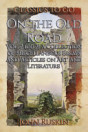
On the Old Road: Restored Classics to Go Edition
About this ebook
Discover more
About the author
John Ruskin was one of the nineteenth century's most influential English writers, critics, and thinkers, born in London in 1819 and educated in a home that encouraged close observation of the natural world, moral seriousness, and literary culture. Over a long and remarkably varied life, he became known as an art critic, essayist, social commentator, lecturer, and reformer whose ideas reached far beyond the world of aesthetics. His writing helped redefine how readers understood painting, architecture, craftsmanship, and the relationship between beauty and ethical life, while his later social criticism challenged the costs of industrial modernity and the neglect of workers, education, and the environment. Ruskin's work is marked by passionate prose, vivid description, and a conviction that art is inseparable from truth, labor, and human responsibility. He was deeply concerned with the spiritual and social condition of society, and his reflections on nature, inequality, and the dangers of mechanical thinking feel strikingly current today. Though his views were sometimes complex and contradictory, his influence on art history, design, conservation, and social thought has been enduring, shaping generations of readers and reformers. Modern readers continue to find in Ruskin a powerful voice for attentive looking, moral imagination, and the defense of beauty in everyday life. He will especially appeal to readers interested in art criticism, Victorian literature, social thought, architecture, and anyone drawn to richly observant prose that links culture with conscience.