Wisdom Proceeding: A Thomistic Account of the Nature of Theology
About this ebook
Christian theology, classically understood, aims at understanding God. However, academic theology—often centred on hermeneutics, historical texts, and the systematic articulation of dogmas—raises significant concerns. At best, it becomes an abstract study of what we say about God, distanced from faith and piety. At worst, it devolves into a speculative enterprise that risks fostering scepticism. Thomas Aquinas held that theology is a true scientific discipline, grounded in evidence, logical reasoning, rigorous argumentation, and the close examination of historical sources. He demonstrated that theology provides knowledge comparable to disciplines such as mathematics, history, or philosophy. The author argues that Aquinas’ account of theology reveals how understanding God is deeply connected to personal holiness, offering a compelling vision for today – one in which theology, when done well, both arises from and nourishes a living faith in the God it seeks to study.
This book is an invaluable resource for theologians, scholars, and students of theology, philosophy, and religious studies, particularly those interested in Thomistic thought and in pursuing a rigorous yet faith-integrated approach to theological study and practice.
Discover more
About the author
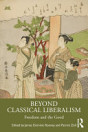
James Dominic Rooney, OP, is Assistant Professor of Philosophy at Hong Kong Baptist University (HKBU), a fellow of the Angelicum Thomistic Institute (Rome, Italy), and research fellow of the HKBU Centre for Sino-Christian Studies. A Dominican Friar of the Province of St. Albert the Great (Chicago, IL), he works primarily in metaphysics, medieval philosophy, and Chinese philosophy. He also has significant research interests in philosophy of religion and political philosophy. His most recent books are Beyond Classical Liberalism: Freedom and the Good (2024, co-edited with Patrick Zoll, Routledge), Not a Hope in Hell (2025, Routledge), and Whoever Hears You Hears Me: Dogmatic Authority as Testimony (2026, Routledge).