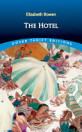
The Last September: Restored Classics to Go Edition
About this ebook
Discover more
About the author
Elizabeth Bowen was an Anglo-Irish writer born in Dublin in 1899 into a prosperous family whose world was soon unsettled by illness, loss, and the political upheavals that shaped modern Ireland and Britain. After her father's death, she moved between Ireland and England, and that sense of displacement became one of the defining currents of her life and fiction. Bowen emerged as one of the most distinctive voices of the twentieth century, producing novels, short stories, essays, and criticism marked by exquisite psychological insight, precise observation, and a haunting awareness of what lies beneath ordinary social life. Her work often explores memory, secrecy, fragile relationships, class tension, and the quiet pressures of history on private lives, with war and social change casting long shadows over intimate experience. She is especially admired for her ability to capture moments of emotional uncertainty and the atmosphere of places poised between stability and collapse. Bowen's legacy endures because she wrote so keenly about the vulnerability of human connection and the way external upheaval can unsettle identity, themes that still feel deeply relevant in a world shaped by uncertainty and transition. Readers who enjoy elegant prose, subtle emotional drama, and fiction that reveals the hidden currents of family and society will find her work especially rewarding.