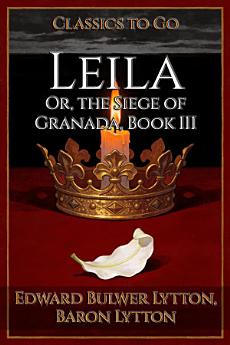
Leila: Restored Classics to Go Edition
About this ebook
Discover more
About the author
Edward Bulwer Lytton, later Baron Lytton, was a prolific Victorian novelist, playwright, poet, and politician whose long career helped define the popular literary culture of the nineteenth century. Born into an aristocratic family in 1803, he was educated at Cambridge and entered public life as well as letters, moving comfortably between the worlds of Parliament, journalism, and the circulating library. Over the course of a remarkably productive life, he became one of the best-known writers of his age, admired for his wide-ranging imagination, dramatic storytelling, and ability to blend historical sweep with romance, suspense, and social observation. His fiction often explores ambition, power, moral choice, hidden identity, and the tension between public success and private conscience, themes that still feel vivid today in a world shaped by status anxiety, political maneuvering, and the search for personal purpose. He was also influential in shaping the conventions of the modern novel, especially through his sense of pace, atmosphere, and memorable plotting, and his name remains attached to a literary legacy that helped make serious fiction widely popular. Though tastes have changed, Bulwer Lytton remains important as a bridge between the high romanticism of earlier fiction and the more socially conscious novel that followed, and readers today can still find energy, intelligence, and theatrical charm in his work. He will especially appeal to readers who enjoy Victorian literature, historical drama, and richly plotted stories with a strong sense of ambition and intrigue.