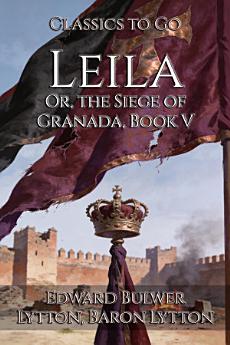
Leila: Restored Classics to Go Edition
About this ebook
Discover more
About the author
Edward Bulwer-Lytton, later Baron Lytton, was one of the most versatile and influential English writers of the nineteenth century, a figure who moved with ease between fiction, poetry, drama, history, and politics. Born into an aristocratic family in 1803, he was educated at Cambridge and entered public life as a parliamentarian, while also building a literary career that made him a celebrity in his own time. He became especially famous for his richly plotted novels, historical romances, and social narratives, works that helped define the popular fiction of the Victorian era and demonstrated how storytelling could combine suspense, moral reflection, and broad cultural scope. His writing often explores ambition, power, class, hidden motives, and the tension between private desire and public duty, themes that still feel recognizable in modern life. He was also deeply interested in the past, using historical settings not merely for spectacle but to examine how societies remember, justify, and repeat themselves. Though his reputation has sometimes been overshadowed by changing tastes, his influence remains strong: he helped shape conventions of the modern novel, contributed memorable phrases to the language, and showed how literature could entertain while probing serious social questions. Today, readers drawn to dramatic plots, atmospheric historical fiction, and stories about human ambition and moral choice are especially likely to find him rewarding.