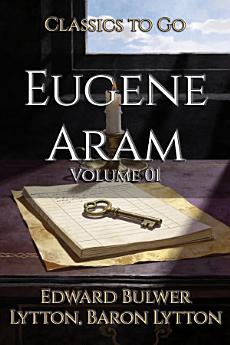
Eugene Aram: Restored Classics to Go Edition
About this ebook
Discover more
About the author
Edward Bulwer-Lytton, later Baron Lytton, was one of the most popular and influential English writers of the nineteenth century, a man who moved easily between politics, public life, and a remarkably productive literary career. Born into an aristocratic family in 1803, he studied at Cambridge, entered Parliament, and became a prominent public figure before being elevated to the peerage, all while building a reputation as a novelist, playwright, poet, and essayist of extraordinary range. He helped shape the Victorian imagination through historical fiction, social novels, and tales of mystery and sensation, writing with a flair for dramatic plots, memorable characters, and polished rhetorical force. His work often explores ambition, class, power, crime, moral conflict, and the tension between appearance and reality, themes that still feel vivid in a world preoccupied with social status, justice, and hidden motives. Though his style can seem ornate to modern readers, his storytelling energy and instinct for suspense remain compelling, and his influence can be felt in later popular fiction, especially in the use of atmosphere, intrigue, and psychological tension. Today, Bulwer-Lytton matters not only as a major Victorian voice but also as a writer who helped define the entertainment value of the novel while taking seriously the ethical and social questions beneath it. Readers who enjoy richly plotted historical fiction, dark psychological drama, and classic nineteenth-century prose will find much to admire in his work.