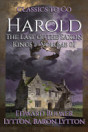
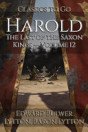
Harold: Restored Classics to Go Edition
About this ebook
Discover more
About the author
Edward Bulwer-Lytton, later Baron Lytton, was one of the most prolific and influential English writers of the nineteenth century, a novelist, playwright, poet, and politician whose career reflected both the ambitions and anxieties of Victorian Britain. Born into an aristocratic family in 1803, he studied at Cambridge, entered public life, and built a literary reputation through an extraordinary range of fiction, historical romance, social satire, and dramatic writing. He became famous for his vivid storytelling, memorable phrases, and ability to blend suspense, melodrama, and moral reflection, helping shape the popular novel as a form that could entertain while also probing society's values. His work often explores ambition, class, power, secrecy, love, and the tension between public duty and private feeling, themes that still resonate in a world preoccupied with status, identity, and social change. He was also deeply interested in history and the fate of civilizations, giving his narratives a sense of grandeur and decline that invites readers to consider how nations and individuals rise, falter, and endure. Though his style can seem ornate to modern tastes, his influence is unmistakable: he helped define the conventions of historical fiction and popular prose fiction, and his legacy lives on in the way later writers balance spectacle with moral inquiry. Today, readers who enjoy richly imagined historical settings, dramatic plots, and ambitious storytelling will find much to admire in Bulwer-Lytton, especially those drawn to classic literature that combines entertainment with a keen eye for the forces shaping society.