PORTRAITS OF THE SELF & FINGERPRINTS: Identity lines and the expression of the self
About this ebook
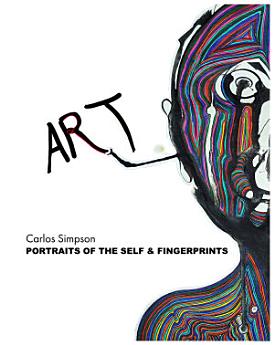
The publication examines how contemporary systems of identification connect numbers, signatures, fingerprints and digital traces with the ways individuals are represented and understood. Simpson uses these forms as a starting point for considering broader questions of personal identity, perception and the construction of the self.
Through fingerprint patterns, curves, shapes and line-based visual studies, the book investigates the relationship between biological individuality and symbolic representation. These forms are used to question how people recognise themselves, how identity is communicated, and how visual language can express ideas about consciousness and human experience.
The book draws on artistic, philosophical and psychological perspectives, connecting visual research with wider discussions of identity, self-understanding and human behaviour.
Discover more
About the author
Carlos Simpson is a London-based author, strategic designer, artist, musician and entrepreneur whose work explores identity, visual culture, creativity and human experience.
He graduated in Graphic Design from the University of the West of England (UWE Bristol) in 2011 and completed a professional placement at Research Studios in London under the direction of Neville Brody. During this period, he contributed to identity projects including the Royal College of Art’s 150th anniversary and D&AD’s 50th anniversary. He subsequently worked in graphic design for brands including Topman, Selfridges, Ted Baker, Ben Sherman and Oxfam and founded Carlos Simpson Design Studio in London in 2016.
Simpson’s publications combine writing, visual research and graphic design. His books include Portraits of the Self and Fingerprints, Signs of Fingerprints: The Art of Handwriting, Politics Design: The Power of Political Stamps, You Make Your Rights: Identity, Authenticity and the Construction of Self, SketchBook: A Survival Guide and My 2020 Lockdown Project.
His wider creative practice spans publishing, visual art and music, with recurring interests in identity, perception, behaviour, culture and human expression.