You Know How She Gets: The Family Scapegoat, the Daughter Who Got Blamed for Everything, and How to Put Down What Was Never Yours
About this ebook
You Know How She Gets is for the daughter her family calls difficult. You were the sensitive one, the one who could never let anything go. Your sister could do no wrong. Your mother told her version first, to everyone, and by the time you walked in the room the verdict was already in.
Researchers at Cornell and Purdue found that most mothers name a child they feel closest to, and only a small share of grown children say they were treated the same as their siblings. The grown children who believe they are the one their mother is most disappointed in report more depressive symptoms. You already knew that. Nobody said it back to you.
Agatha Tonka writes to the woman that role built. You apologize first and fastest. You brace when a manager uses a certain tone. You explain yourself three times to a partner who only asked a question. And you watch your own children for signs of the child you were.
This book names no disorder and calls no parent a narcissist. It does not require you to cut anyone off, and it does not forbid it. The twenty chapters start with the family story and stay with how the role was assigned. Then they follow you into the life it shaped, and they end with the things you can finally put down.
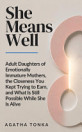
If you read She Means Well, this is the book about the child the family chose to blame.
This book is general information about family relationships. It is not therapy or mental health advice.
Discover more
About the author
Agatha Tonka writes about the agreeable woman in rooms with other people. Her books are about family, work and obligation, and the quiet way one person in a room gets volunteered before anybody thinks to ask her. She writes in composites, so the point is never one woman's story but the shape underneath a great many of them.