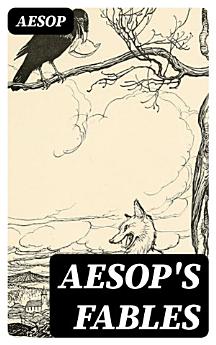
Aesop's Fables: Illustrated Collection
May 2022 · DigiCat
Ebook
178
Pages
family_home
Eligible
info
About this ebook
Aesop's Fables is a timeless collection of moral tales attributed to the ancient Greek storyteller Aesop. The work features a diverse array of characters, primarily anthropomorphic animals, who embody human vices and virtues. Employing a succinct and accessible style, these fables often culminate in a pithy moral lesson, encapsulating profound truths that resonate across cultures and historical epochs. The narrative simplicity belies the complexity of the ethical quandaries presented, reflecting the societal values of ancient Greece while remaining relevant today in varied contexts of education and personal growth. Aesop, whose life remains shrouded in mystery, is believed to have lived around the 6th century BCE. Traditionally viewed as a slave who acquired wisdom through his observations of the world, Aesop's experiences likely informed his fables, allowing him to convey moral lessons relatable to both the oppressed and the privileged. The enduring nature of these narratives speaks to Aesop's remarkable ability to distill human experience into succinct wisdom, making his work an essential part of literary heritage. Readers seeking both entertainment and moral reflection will find Aesop's Fables an invaluable resource. The fables not only entertain children but also serve as a rich pedagogical tool for adults. Each fable invites readers to contemplate their own ethical dilemmas, making it a quintessential read for anyone interested in morality, literature, or the human condition.
Aesop's Fables is a timeless collection of moral tales attributed to the ancient Greek storyteller Aesop. The work features a diverse array of characters, primarily anthropomorphic animals, who embody human vices and virtues. Employing a succinct and accessible style, these fables often culminate...
Discover more
About the author
Aesop, a figure shrouded in the mists of history, is traditionally believed to have lived during the sixth century BCE. Though much of his life is subject to speculation, Aesop remains known as a seminal storyteller credited with the creation of numerous fables that have penetrated collective human consciousness. The body of work commonly referred to as 'Aesop's Fables' constitutes a collection of stories that employ personified animals and inanimate objects to relay moral lessons. The allegorical nature of Aesop's work is characterized by the economy of its narrative and the pithiness of its moral conclusions, which are often explicitly stated at the fable's conclusion in a pithy epigram. The tales, such as 'The Tortoise and the Hare' and 'The Boy Who Cried Wolf,' are remarkable for their ability to impart practical life wisdom across cultures and generations. The enduring legacy of these fables can be seen in their widespread adoption into educational curricula and the frequent adaptations the tales have undergone, attesting to the dynamic and universal applicability of Aesop's literary genius. While concrete biographical details of Aesop's life remain elusive - including debates on his very existence - the corpus attributed to him has solidified his position as an archetypal fabulist whose works continue to be revisited for their rich moral and philosophical insights.
Aesop, a figure shrouded in the mists of history, is traditionally believed to have lived during the sixth century BCE. Though much of his life is subject to speculation, Aesop remains known as a seminal storyteller credited with the creation of numerous fables that have penetrated collective hum...
Rate this ebook
Tell us what you think.
Reading information
Smartphones and tablets
Install the Google Play Books app for Android and iPad/iPhone. It syncs automatically with your account and allows you to read online or offline wherever you are.
Laptops and computers
You can listen to audiobooks purchased on Google Play using your computer's web browser.
eReaders and other devices
To read on e-ink devices like Kobo eReaders, you'll need to download a file and transfer it to your device. Follow the detailed Help Center instructions to transfer the files to supported eReaders.