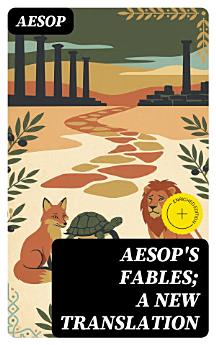
Aesop's Fables; a new translation: Enriched edition. Timeless Animal Parables in a Lyrical Modern Translation, Offering Clear Moral Lessons
Aug 2022 · DigiCat
Ebook
139
Pages
family_home
Eligible
info
About this ebook
Aesop's Fables; a new translation presents a vibrant collection of timeless moral tales that explore the complexities of human behavior through the lens of anthropomorphized animals. This translation breathes new life into the original Greek texts, maintaining the simplicity and clarity that characterizes Aesop's work while enhancing its lyrical quality. The fables often serve as cautionary tales, reflecting the sociocultural contexts of ancient Greece and resonating with universal truths that transcend time and culture. Each fable is succinct yet profound, ideally suited for readers seeking both entertainment and ethical reflection. Aesop, a storyteller believed to have lived in the 6th century BCE, was likely inspired by the societal dynamics and moral dilemmas of his time. His ability to weave narrative with moral lessons showcases an inherent understanding of human nature, a quality that likely stems from his experiences as a slave, which provided him with a unique perspective on justice and moral rectitude. His enduring legacy reflects the timeless relevance of his insights, making his fables a staple in moral education for centuries. This updated translation is essential reading for both enthusiasts of classic literature and newcomers alike. Its engaging narrative style and rich moral foundations will captivate readers of all ages, making it a perfect addition to anyone's collection. Dive into Aesop's Fables and rediscover the invaluable lessons that continue to resonate in today's world. In this enriched edition, we have carefully created added value for your reading experience: - A comprehensive Introduction outlines these selected works' unifying features, themes, or stylistic evolutions. - The Author Biography highlights personal milestones and literary influences that shape the entire body of writing. - A Historical Context section situates the works in their broader era—social currents, cultural trends, and key events that underpin their creation. - A concise Synopsis (Selection) offers an accessible overview of the included texts, helping readers navigate plotlines and main ideas without revealing critical twists. - A unified Analysis examines recurring motifs and stylistic hallmarks across the collection, tying the stories together while spotlighting the different work's strengths. - Reflection questions inspire deeper contemplation of the author's overarching message, inviting readers to draw connections among different texts and relate them to modern contexts. - Lastly, our hand‐picked Memorable Quotes distill pivotal lines and turning points, serving as touchstones for the collection's central themes.
Aesop's Fables; a new translation presents a vibrant collection of timeless moral tales that explore the complexities of human behavior through the lens of anthropomorphized animals. This translation breathes new life into the original Greek texts, maintaining the simplicity and clarity that char...
Discover more
About the author
Aesop is a figure shrouded in mystery, traditionally considered to have lived during the sixth century BCE. Though there is little verifiable information about his life, it is widely accepted that Aesop was a storyteller believed to have been born a slave in ancient Greece, and who eventually gained his freedom due to his intellect and wit. A corpus of fables has been attributed to him, known collectively as 'Aesop's Fables'; these have been passed down through generations and remain influential to this day. This collection of tales is characterized by anthropomorphic animals and inanimate objects that reflect human virtues and vices, providing moral lessons to children and adults alike. The fables were not initially recorded in writing; they were part of an oral tradition and were later compiled and translated by numerous scholars. One of the recognized translations is titled 'Aesop's Fables; a new translation' which endeavors to capture the essence of Aesop's storytelling within the modern framework of understanding. Aesop's literary style is concise, employing parable and allegory. While Aesop's existence as a historical figure cannot be proven definitively, his attributed works have made a profound impact on literature and education, underscoring the power of narrative in ethical and social instruction. His fables have been translated into countless languages and serve as an enduring legacy to the universal applicability of moral tales.
Aesop is a figure shrouded in mystery, traditionally considered to have lived during the sixth century BCE. Though there is little verifiable information about his life, it is widely accepted that Aesop was a storyteller believed to have been born a slave in ancient Greece, and who eventually gai...
Rate this ebook
Tell us what you think.
Reading information
Smartphones and tablets
Install the Google Play Books app for Android and iPad/iPhone. It syncs automatically with your account and allows you to read online or offline wherever you are.
Laptops and computers
You can listen to audiobooks purchased on Google Play using your computer's web browser.
eReaders and other devices
To read on e-ink devices like Kobo eReaders, you'll need to download a file and transfer it to your device. Follow the detailed Help Center instructions to transfer the files to supported eReaders.