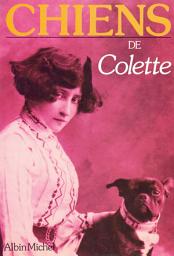
Colette
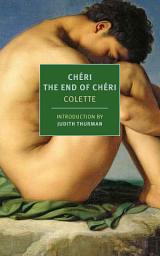
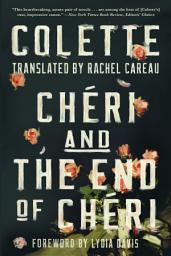
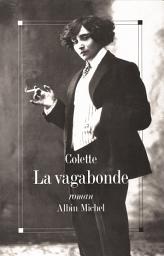
Sidonie-Gabrielle Colette was a French novelist, journalist, and performer, widely regarded as one of the most important female voices in 20th-century French literature. Known simply as Colette, she broke literary and social conventions, addressing themes of female independence, sensuality, and identity with remarkable candor. Her works, rich in psychological insight and vivid depictions of everyday life, positioned her as both a literary innovator and a cultural icon in France and beyond. After leaving Willy, Colette pursued an independent career, writing novels, performing on stage, and establishing herself in Parisian artistic life. Her works such as Chéri (1920) and La Vagabonde (1910) explore the complexities of female desire, aging, and autonomy, often challenging the expectations imposed on women. In addition to her novels, Colette wrote essays, journalism, and autobiographical works, all of which display her sharp observational style and deep sensitivity to human emotions and relationships. Her literary career was paralleled by her unconventional life. Colette openly defied the norms of her time, including her relationships with both men and women, which fueled the frankness of her depictions of love and passion. This blend of personal freedom and literary creativity made her one of the most progressive writers of her era.
Ebooks