Pope Leo XIII
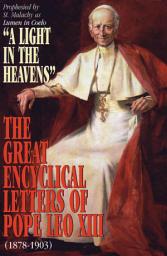
Pope Leo XIII was head of the Catholic Church from 1878 until his death in 1903. He had the fourth-longest reign and third-longest verified reign of any pope, behind those of St. Peter, Pius IX, and John Paul II.
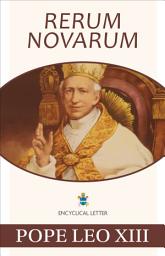
Born in Carpineto Romano, near Rome, Leo XIII is well known for his intellectualism and for seeking to define the position of the Catholic Church with regard to modern thinking. Pope Leo XIII wrote a total of 86 encyclicals during his papacy from 1878 to 1903. In his 1891 encyclical Rerum novarum, Pope Leo outlined the rights of workers to a fair wage, safe working conditions, and the formation of trade unions, while affirming the rights to property and free enterprise, opposing both atheistic communism and laissez-faire capitalism. With that encyclical, Leo XIII became popularly called the "Social Pope" and the "Pope of the Workers", also having created the foundations for modern thinking in the social doctrines of the Catholic Church, influencing his successors. He influenced the Mariology of the Catholic Church and promoted both the rosary and the scapular.
Born in Carpineto Romano, near Rome, Leo XIII is well known for his intellectualism and for seeking to define the position of the Catholic Church with regard to modern thinking. Pope Leo XIII wrote a total of 86 encyclicals during his papacy from 1878 to 1903. In his 1891 encyclical Rerum novarum, Pope Leo outlined the rights of workers to a fair wage, safe working conditions, and the formation of trade unions, while affirming the rights to property and free enterprise, opposing both atheistic communism and laissez-faire capitalism. With that encyclical, Leo XIII became popularly called the "Social Pope" and the "Pope of the Workers", also having created the foundations for modern thinking in the social doctrines of the Catholic Church, influencing his successors. He influenced the Mariology of the Catholic Church and promoted both the rosary and the scapular.